
Inside the Simultaneous Interpreter’s Brain: What Really Happens While We Work
The Misadventures of a Translator — Entry #10

If you’ve ever watched a simultaneous interpreter at work, it probably looked effortless: a calm voice in a headset, steady rhythm, maybe a sip of water between sentences…
HA!
What you don’t see is the mental Olympic sport happening behind the scenes.
Simultaneous interpretation is one of the most demanding cognitive tasks the brain can perform and a truly remarkable skill. And even after 18+ years working as an interpreter and translator through Panama Translator, I still have enormous respect for colleagues who do this every day under high-pressure conditions and make it look flawless.
And let’s clarify: interpretation isn’t just listening and repeating in another language.
It’s a complex cognitive process happening in seconds, sometimes in chaos (fast talkers, strong accents, bad audio, endless acronyms). And unlike written translation, where you can pause and research, simultaneous interpretation demands real-time processing at lightning speed.
So what is actually happening inside the interpreter’s brain?
Let’s open the backstage door. But first, let’s see the meaning of cognition:
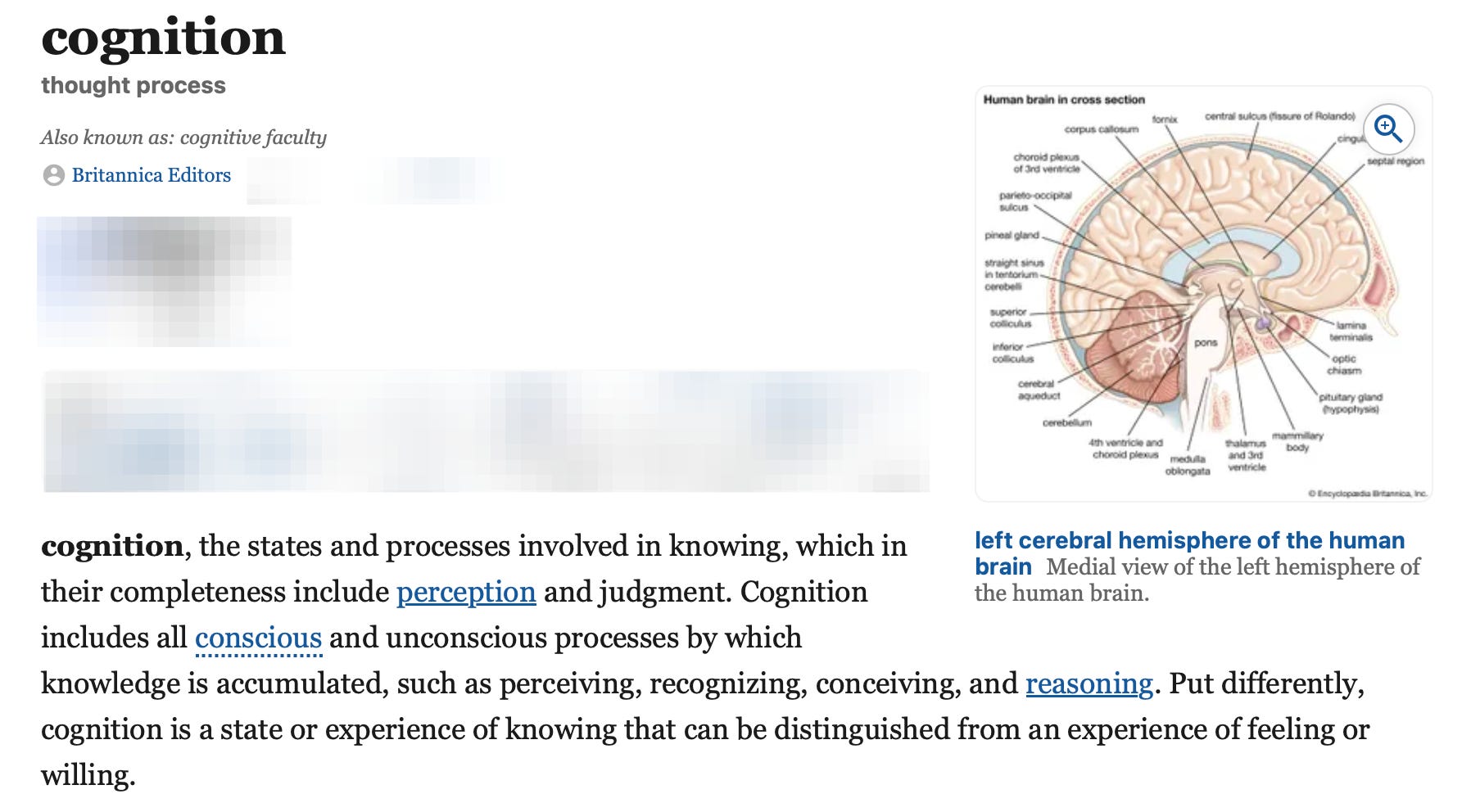

What Do We Mean by “Cognition”?
In simple terms, cognition is the set of mental processes involved in knowing: perception, memory, reasoning, language, and decision-making. Simultaneous interpreting activates many of these systems at once: auditory processing, working memory, executive control, language production and self-monitoring
In neuroscience, areas like Broca’s area, Wernicke’s area, and the prefrontal cortex are heavily involved in these tasks.
In normal language: your brain is juggling several tasks while someone keeps talking.

1. Predictive Listening
Interpreters don’t listen word by word, and we don’t wait for sentences to end. Our brain predicts what’s coming based on grammar, context, and experience. Something researchers call anticipatory processing.
If a speaker begins with: “According to the audit findings…”
Our brain is already activating vocabulary about compliance, risk, and internal controls before the sentence ends. Prediction reduces cognitive load and enables simultaneous interpretation. Without it, we would always be behind.
2. Chunking Meaning
Working memory can only hold a few pieces of information at once. So interpreters rely on a strategy called chunking: grouping ideas instead of words.
We don’t process: “due / to / the / unexpected / reduction…”
We process the idea: “because revenue dropped unexpectedly.”
This allows the brain to keep up with the speed of speech while preserving meaning.
3. Real-Time Reformulation
This is where executive control takes over. The interpreter must decide instantly:
• Keep literal wording?
• Change sentence structure?
• Simplify technical jargon?
• Adapt a cultural reference?
This decision-making happens in fractions of a second. It’s not bilingualism; it’s real-time problem solving.
4. Dual Attention
One of the hardest parts of interpreting is something psychologists call divided attention. You are listening to the next sentence while speaking the previous one. Your brain is tracking:
• What you heard
• What you’re saying
• What’s coming next
No wonder full-day conferences require team interpreters. Mental fatigue builds quickly because executive control is constantly active.
5. Self-Monitoring and Error Control
Interpreters listen to themselves while speaking. This uses the brain’s error detection system, similar to how musicians monitor pitch while performing.
We check numbers (my personal nightmare), names, tone, and completeness.
If something is off, we correct mid-sentence without disrupting flow. Good interpreting sounds natural because corrections happen invisibly
6. Cultural Filtering
Language isn’t just words. It’s culture. Interpreters constantly check:
• Will this joke translate?
• Does this idiom exist in the target language?
• Will this tone sound rude, funny, or formal?
A literal translation can create confusion or disaster. So we adapt tone, context, and nuance while staying faithful to meaning.
7. Emotional Regulation
Stress has a direct cognitive cost. High anxiety reduces working memory capacity and attention control. Interpreters must regulate their emotions to maintain stable performance. Add to this real-life conditions: fast speakers, bad audio, technical jargon, emotional testimony, and long hours.
And still, the interpreter must sound calm.
This is why professional standards require preparation materials, good audio equipment (headsets especially for RSI), breaks, and team interpreters for long sessions. These are not luxuries as they protect cognitive performance.
(I can’t count how many times I’ve had to explain to clients why a full-day conference needs two interpreters. We’re not superheroes/machines. We’re human brains.)
What Science Says About Interpreter Fatigue
Research in interpreting studies shows measurable mental fatigue after relatively short periods of intense simultaneous interpreting.
That’s why conferences rotate interpreters every 20–30 minutes. The brain cannot maintain peak executive control indefinitely.
Understanding this helps clients plan better and get better results.
Why This Matters for Clients
Understanding the interpreter’s cognitive load helps clients get better results. Simple things as the following help a lot:
✔ Share materials in advance
✔ Speak at a natural pace
✔ Use microphones
✔ Avoid reading dense text quickly
✔ Schedule breaks
You’re not just helping the interpreter; you’re protecting communication quality. Better conditions = better interpretation.
Why This Matters for Interpreters
If you’re a freelancer, remember: Your brain is performing elite cognitive work.
Preparation, fair rates, and rest are not optional. They are professional standards.
The better you understand the science behind your work, the better you can explain your value.
The Invisible Work
When interpretation works well, it feels invisible. But inside the interpreter’s brain, millions of neural signals are firing every second while predicting, storing, choosing, reformulating, and monitoring.
And doing it so smoothly that nobody notices. Which, honestly, is the highest compliment we can get.
Until the next Entry,
Irene✨

Sounds like you’re an air traffic controller with all that work going on at the same time.
Love this so much!